Walk through any of Britain’s great cities – London, Birmingham, Manchester – and the contribution of Muslim communities is unmistakeable. From doctors in the NHS to shopkeepers on the high street, from charity workers to tech entrepreneurs, Muslims are woven into the everyday fabric of British life.
Yet alongside this visible presence lies an uneasy truth: the civic voice of Muslims is weaker than it should be, and too often misunderstood. Suspicion, stereotyping, and scapegoating remain regular features of Muslim life in modern Britain. Since 9/11 and 7/7, a generation has grown up under the shadow of Islamophobia. The far right has sharpened its rhetoric, while sections of the media continue to portray Muslims as a burden at best and a threat at worst. The result is a community frequently on the defensive, struggling to tell its own story and uncertain of its place in the national conversation.
But this difficult moment also presents an opportunity to change course. Britain’s Muslim population is young and dynamic, almost half are under 24. If these young people step forward as confident activists, bridge-builders, and leaders, they can help reshape not only how Muslims are perceived, but how Britain itself moves towards a fairer and more cohesive future.
The Civic Deficit
Across Britain today, there is a profound crisis, not of faith, but of agency. Many Muslims feel disempowered, marginalised, and misheard. The walls of suspicion, stereotyping, and ‘othering’ have grown uncomfortably thick. Islamophobia is no longer confined to the fringes; too often it has moved to the mainstream.
At the same time, the Muslim community faces many internal challenges: gaps in civic and political education that leave many uncertain about identity, purpose, and rights; structural inequalities in housing, education, healthcare, and employment; and persistent negative narratives from politicians, media, and public commentary. Islamophobia is being normalised and above all, there is a leadership deficit with too few stepping forward in politics, public service, culture, and media to articulate a confident, positive vision.
Yet within this deficit lies a tremendous possibility. Prejudice can awaken determination; silencing can sharpen resolve. If Muslims move now with clarity, confidence, and courage, they can help reshape public life – not only for themselves, but for all communities seeking dignity, justice, and belonging. Civic participation is crucial to community uplifting; it is the lifeblood of cohesion and the foundation of a healthy democracy.
Why Civic Participation Is Not Optional
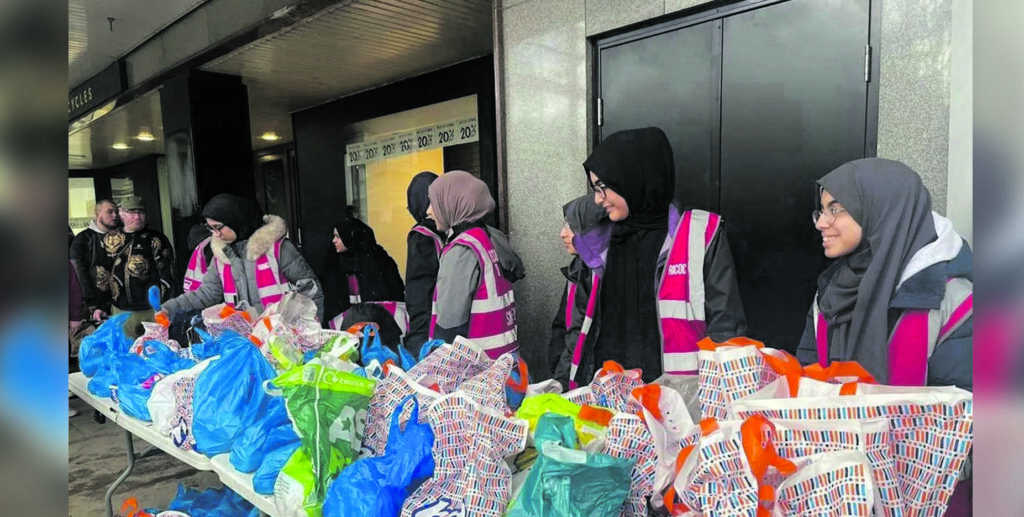
Civic participation is essential for building respect and trust amongst citizens. It is not only about demanding rights, but also about sharing values and demonstrating collective achievements. When people lead neighbourhood projects, engage in interfaith work, volunteer, mentor young people, or contribute to public health and environmental causes, their actions speak more powerfully than any speech.
The founding idea of British democracy rests on the balance of rights and responsibilities. Free speech, religious freedom, and equality under the law are best preserved when citizens actively uphold their responsibilities. Passive criticism is not enough; we need intellectual leadership and effective media engagement. As equal citizens, Muslims must tell their own stories, challenge stereotypes, and highlight both their successes and their struggles.
A growing Muslim identification with British citizenship must now be matched by forging alliances with other communities for the common good. Islamophobia remains a systemic barrier, not only harming Muslims, corroding Britain’s own ideals of equality, freedom, and mutual respect. Speaking at the UN General Assembly on the International Day to Combat Islamophobia, the UK’s Ambassador reminded the world: “No-one should be targeted because of their faith.”
Muslim Youth as Potential Torchbearers
This is where youth matter most. Across Britain’s cities, Muslim energy is already shaping the civic landscape, but too often these stories go untold. What young people need most is recognition and encouragement. Leadership, civic or political, is not a privilege but a responsibility. If young Muslims do not claim it, others will continue to define their narrative.
A roadmap for youth civic engagement is clear: be visible in neighbourhoods through volunteering and supporting local people; step into public discussions and speak truth with courage and humility; focus not only on academic achievement, but on civic and leadership skills; gain experience through local initiatives and bridge-building with all communities on issues of shared concern. And carry forward the values of justice, service, and compassion, as the Qur’an reminds us: “Believers, stand up for fairness as God’s witnesses, even if it is against yourselves….” (4:135).
It is time for Muslim youth in Britain to say with confidence: We belong, we contribute, we lead.
A Shared Struggle: The Vision Ahead
Islamophobia, like any prejudice, corrodes democracy itself. When one group is demonised, equal citizenship is weakened for all. British Muslims are not seeking privilege, only a level playing field and the dignity of natural human equality. This is not a Muslim struggle alone; it is the very essence of democracy.
The path forward lies in alliances. Muslim civic activism must stand alongside other movements for justice, across areas such as climate action, anti-racism, housing rights, and economic fairness. Young Muslims can and must be at the heart of these struggles, not as outsiders but as equal partners.
Imagine a Britain where Muslim youth do not apologise for who they are, but lead with confidence. Where mosques are not only houses of prayer, but centres of civic learning. Where Muslim entrepreneurs create jobs for all, artists tell new stories, and doctors and teachers serve with skill and compassion.
That Britain is not a dream. It is within reach. The energy, the talent, and the moral vision already exist. What is needed now is the courage to step forward.
A Call to Action
For Britain, the challenge is clear: stop treating Muslims as suspects, and start recognising them as citizens. Provide the space, support, and respect every community needs to flourish.
For Muslims, the message is equally clear: do not wait to be invited. Step into leadership. Vote, volunteer, serve. Create your voice in media, build friendships beyond your circle, and serve your neighbourhoods with the same pride you bring to your families and faith.
For young Muslims especially, claim your place in civic life – in classrooms, council chambers, media studios, and neighbourhoods. Help shape a Britain closer to its promise of fairness and freedom. Let your generation be defined not by fear or marginalisation, but by courage, creativity, and contribution.
This is the promise of Muslim civic activism: not just a stronger Muslim community, but a stronger Britain. The time to seize it is now.