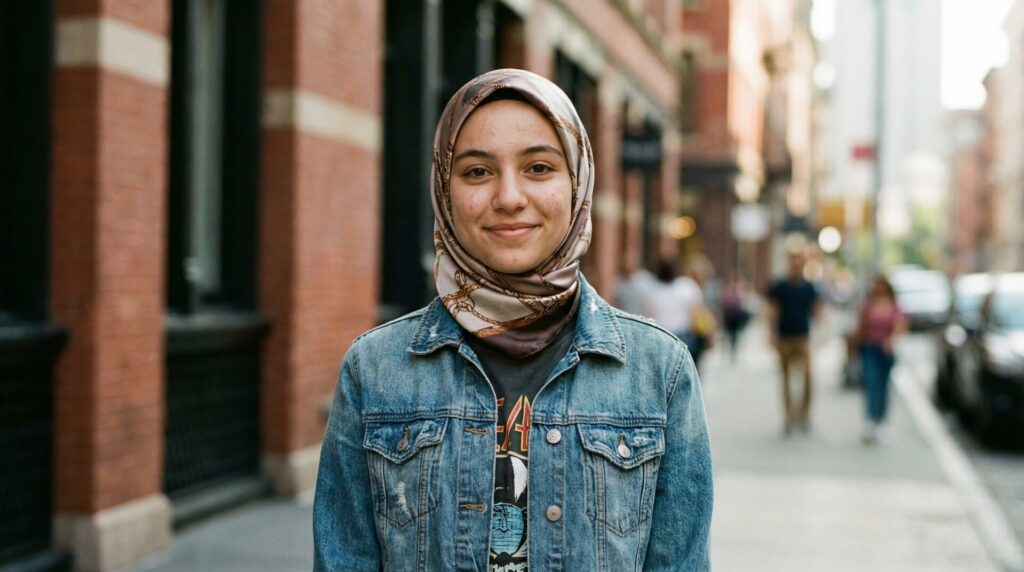
From Potential to Purpose: Elevating the Mindset of the Muslim Generation
We are living through one of the most exciting, yet challenging, moments in human history. Never has a generation had access to so much knowledge, technology and opportunity. A young person can learn from the world through a smartphone, study at leading universities, build a business online and influence conversations far beyond their local community.
But one question matters: are we preparing them merely to participate in society, or to lead it?
Leadership is not about titles, qualifications or personal success. It begins with mindset: how we see ourselves, respond to difficulty, and whether we believe our lives have a purpose beyond ourselves.
The future will belong to those with the strongest mindset, clearest vision and deepest sense of responsibility.
1. Understanding the Mindset of Today’s Youth
Every generation faces its own pressures. Today’s young people face an intense battle for attention, acceptance and identity. Social media magnifies comparison. Success is expected quickly. The pressure to fit in can be relentless.
For young Muslims, there is another question: how do I remain true to my faith while navigating university, careers, relationships and a rapidly changing culture? The deeper question is: who am I, what values guide me, and what contribution can I make?
The Qur’an reminds us: Indeed, Allah will not change the condition of a people until they change what is within themselves. (Qur’an 13:11)
Transformation begins within. Before we change communities and societies, we must develop the mindset to change ourselves.
Islam has always been a faith of growth. The companions of the Prophet ﷺ were not all born as leaders. They became extraordinary because faith transformed how they thought, lived and served. Your personality is not your destiny. Your past does not have to imprison your future.
So, ask yourself: Who am I capable of becoming?
2. The Identity Challenge Facing Young Muslims
Growing up as a Muslim in modern Britain can be challenging, enriching and complex. Young Muslims navigate several worlds at once: British society, a global Muslim community, digital culture, and family histories and traditions.
That complexity can be a strength—but only when matched by clarity. A confident Muslim identity does not require rejecting British society. And being British does not require abandoning religious values. The challenge is not choosing between identities. It is learning to bring the best of both together. Know your roots. Engage with the world. Contribute to the society you call home.
3. From Consumers to Creators
One defining challenge of our generation is that we have become brilliant consumers and, too often, weak creators. We consume content, opinions, entertainment and trends. But leadership requires creation. A leader asks: What problem can I solve? What value can I create? What difference can I make?
The Prophet Muhammad ﷺ built a community rooted in knowledge, justice, mercy and excellence. His companions understood that their lives were connected to something larger than themselves.
Today, we need young Muslims who ask not only, “How can I get a good career?” but also, “How can my career become a means of service?” An entrepreneur who creates ethical opportunities. A scientist who solves real problems. A teacher who inspires generations. A lawyer who stands for justice. A communicator who represents Islam with wisdom.
That is leadership.
4. From a Mediocre Mindset to a First-Class Mentality
One of the greatest dangers facing any community is the normalisation of mediocrity. A “middle-core” mindset asks: What is the minimum required? A first-class mindset asks: What is the best I can achieve?
Islam calls us towards Ihsan—excellence in what we do and who we are. The Prophet ﷺ taught that Allah loves a person who strives for excellence and seeks to perfect whatever they do. Excellence means taking education seriously, developing real skills, being dependable, thinking creatively, acting ethically and becoming useful to others.
The first-class student asks, “What is the best I can learn?” The first-class professional asks, “What value can I create?” The first-class believer asks, “How close can I get to my Creator?”
5. Bridging the Communication Gap
We make a mistake when we assume young people are simply rebellious. Often, they are searching—asking how Islam speaks to identity, relationships, mental health and careers.
The Prophet ﷺ understood people. He knew when to teach, encourage, correct and show compassion. Leadership begins by meeting people where they are—not where we wish they were.
6. The Muslim Leaders Britain Needs
Britain today faces major challenges: social division, economic uncertainty, technological disruption and questions about identity and belonging. The answer is not isolation. It is contribution.
British Muslims are a youthful community, with the proportion aged 15 and under almost twice that of the overall population. That youthfulness is an opportunity. Young Muslims bring faith, pluralism, education and resilience—qualities that can produce leaders who understand complexity and build bridges.
Leadership starts with responsibility. It is the young person who chooses discipline over distraction. The student who chooses excellence over excuses. The professional who uses success to serve others. The citizen who believes their contribution matters. These are the leaders of tomorrow.
The future of Britain’s Muslim communities will be shaped by the quality of minds we develop today. The next generation must inherit not only the sacrifices of those before them, but their courage—and then turn sacrifice into service, opportunity into excellence and potential into leadership. The future belongs to those who prepare for it.
7. Raising Our Standards
Imagine if every young Muslim developed the following qualities.
1) Confidence: Many young Muslims underestimate themselves, comparing their journey with others. But confidence is not believing you are better than others. It is knowing that you have a responsibility to fulfil. You need to be prepared, purposeful and willing to contribute.
2) Excellence: Do not accept laziness. Do not hide behind excuses. Do not settle for average when you are capable of performing better. Pursue excellence in education, character, work and worship.
3) Vision: A person without vision simply reacts to circumstances. A person with vision helps shape them. The young Muslims who will shape the future are those who can imagine possibilities others cannot yet see—and have the discipline to turn those possibilities into reality.
4) Spiritualty: Young Muslims today need not merely knowledge and better manners, we need a generation that embodies the balance of spiritual depth and purposeful action, enabling them to carry their responsibilities with strength, wisdom and excellence (Ihsan). They must strive to become Ruhbān al-Layl wa Fursān al-Nahār—monks of the night and knights of the day—for our time.
The young Companions of the Prophet ﷺ, such as Abdullah ibn Abbas and Abdullah ibn Umar, provide timeless examples for young Muslims today. Their lives—marked by piety, courage, devotion to Islam, a thirst for knowledge, and careful adherence to the Prophet’s example—demonstrate that young Muslims anywhere can excel in learning and character, remain firmly rooted in their faith, serve their families and communities, and make a positive contribution to the wider society in which they live.
Conclusion: The Generation That Will Rise
The future of the Muslim community will not be shaped only by buildings, organisations or institutions. It will be shaped by people—by minds, character and conviction. Young Muslims are not merely inheritors of a legacy. They are builders of the future.
The world does not need young Muslims who are apologetic about their faith. It needs young Muslims who represent Islam with wisdom, confidence, excellence and compassion. It does not need a generation that only complains about problems. It needs problem-solvers. And it does not need a generation asking, “What can society give me?” It needs a generation asking, “What can I give to society?”
So let us build Next Level Minds: minds that think beyond themselves; minds that combine faith with excellence; minds that turn challenges into opportunities; minds that carry the confidence of believers and the responsibility of leaders. Because leadership is not something you wait for. Leadership is something you prepare for today. May Allah guide us to guide our youth.